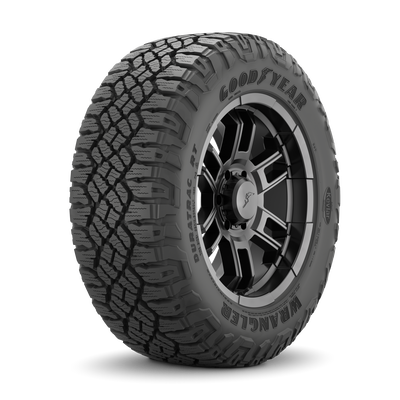
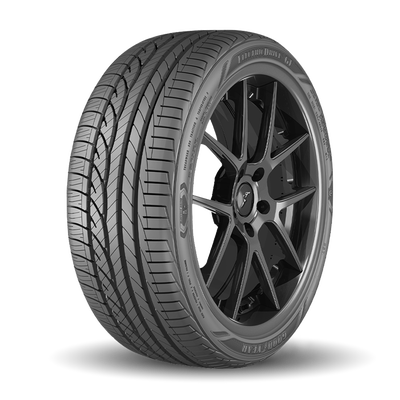
Fierce™ performance tires


Fierce™ performance tires frequently asked questions


1. How many tires are in the Fierce™ lineup?
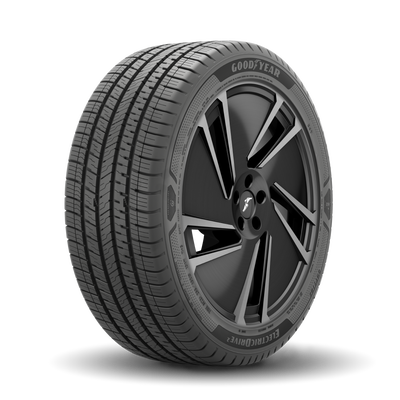
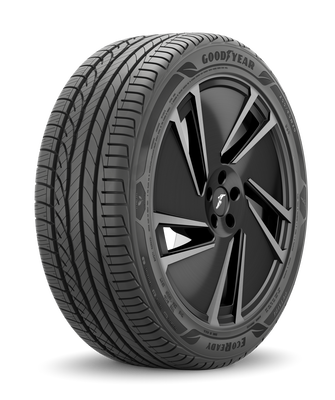
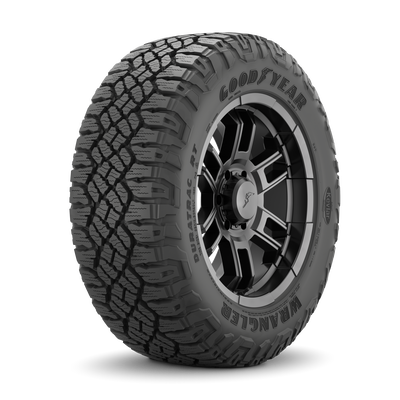
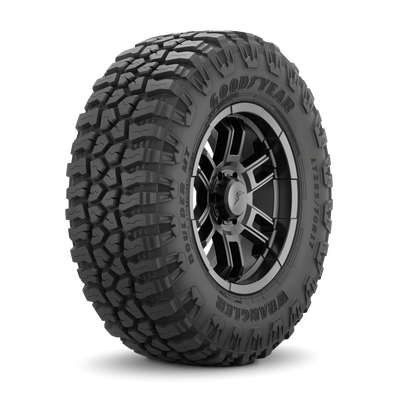
There are three tires in the Fierce™ lineup right now, with more to come in the future. Currently, the lineup includes the Fierce™ UHP, the Fierce™ HP and the Fierce™ ST.

[Back to Top]


2. What do UHP, HP and ST stand for?
The Fierce™ UHP is for ultra high-performance seekers, the Fierce™ HP is for high-performance enthusiasts and the Fierce™ ST is for sport truck drivers.

[Back to Top]


3. Will the Fierce™ UHP and HP tires fit my performance car?
The Fierce™ UHP is available in 21 popular sizes to fit a very long list of performance cars. For a list of available sizes, click here. The Fierce™ HP is available in 19 popular sizes and will fit many of today’s hottest cars. For a list of available sizes, click here.

[Back to Top]


4. Will Fierce™ ST tires fit my sport truck?
The Fierce™ ST is available in 10 popular sizes to fit many of the sport trucks sold today. For a list of available sizes, click here.

[Back to Top]


5. Where can I buy Fierce™ tires?
Our Dealer Locator service makes Fierce™ tires easy to find, by helping you locate several tire dealers in your area. To start, click here.

[Back to Top]


6. How much should my Fierce™ tires be inflated?
The pressure indicated on the Fierce™ sidewall is the maximum operating pressure, not necessarily the best pressure for your vehicle. To find the proper air pressure, look in the vehicle owner’s manual, on the driver’s side doorjamb or in the glove box, or ask your dealer about the vehicle manufacturer’s recommended air pressure.

Proper tire inflation is a key ingredient in driving safety and long tire life. Check your pressure at least once a month while your tires are cold, using a good quality air gauge. At proper inflation pressure, it is natural for a slight bulge to appear in the sidewall. Continuous loss of inflation pressure is an indication of a possible tire/wheel assembly problem; consult your tire professional immediately if you encounter this situation.

[Back to Top]


7. Can I mount my own tires?
Do not try this at home. Leave it to the people who have the proper training and equipment. Attempting to mount your own tires can result in injury to yourself, and damage to your tires and your rims.

[Back to Top]


8. What size tires do I need?
Replacement tires should be the same size – or a size included in the vehicle's replacement tire recommendations. Vehicle handling may be significantly affected by a change of tire size or type. When selecting tires that are different from the original equipment size, consult a professional installer to make certain that the proper clearance, load-carrying capacity and inflation pressure are selected.

[Back to Top]


9. How long will my Fierce™ tires last?
The life of every Fierce™ tire will vary, depending on the type you choose, its construction, the type of vehicle, geographic conditions and driving habits. There are no written warranties on mileage.

[Back to Top]


10. How will I know when to replace them?
Proper tread depth is essential for proper tire performance. If you notice a loss or change in wet traction, you may not have enough tread left on your tires.

Many tires have treadwear indicator bars molded into the tread. When the tread is worn to where you can see a solid bar of rubber across the width of the tread, it is time to replace your tire. Another method for checking tread depth is to place a penny in the tread groove with Lincoln’s head upside down and facing you. If you can see the top of Lincoln’s head, you are ready for new tires.

[Back to Top]


11. How can I tell if there are wear problems?
It can be as simple as giving the tread a good visual once-over. Scan your tread for any sharp objects that may have punctured your tires. Even if the puncture doesn’t flatten the tire immediately, the cracking and pitting can eventually worsen and lead to future issues and/or tire failure.

Check the wear patterns on your tread. Excessive shoulder wear can indicate underinflation, while wear to the center of the tread can mean overinflation. Any kind of uneven wear will shorten the life span of your tires.

Cupping is a sign that wheels are out of balance or that suspension or steering system parts are worn out. A sawtooth or feathered appearance, caused by erratic scrubbing against the road, indicates misalignment.

[Back to Top]


12. Do my new Fierce™ tires need any special treatment?
Until you are familiar with the differences in performance and handling, please exercise caution when braking, accelerating, cornering or driving in the rain.

[Back to Top]


13. Should I rotate my tires?
Rotating tires regularly allows you to get the most from them. While many people are capable of rotating their own tires, it is quick and easy to let a professional do it for you. Your vehicle’s owner’s manual will specify the proper rotation pattern and schedule for your vehicle. If there is no specific schedule specified, a good rule of thumb is to rotate your tires every 6,000 to 8,000 miles.

All-season tires – Rotate in a modified X pattern. Only the tires being moved to the drive axle are crossed to the opposite side. The remaining two tires are moved from the drive axle to the free-rolling axle on the same side.

Directional tread – Tires remain on the same side, rotated straight forward and straight back.

Four-wheel drive – Cross both pairs of tires to their new axle positions.

[Back to Top]


FAQs  |  Contact Us  |  Privacy Policy  |  Bookmark Fierce™  |  Send to a Friend  |  Fiercetires.com
Copyright 2006-2008 The Goodyear Tire & Rubber Company. All Rights Reserved.